



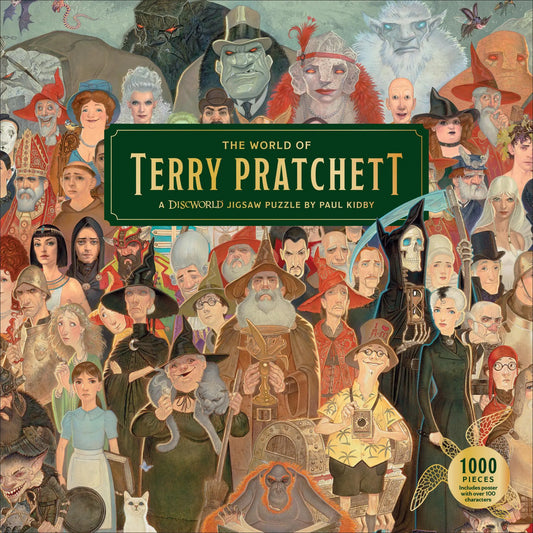




The Fifth Elephant Terry Pratchett The 24th discworld Novel
Share
Introduction
The Fifth Elephant is the 24th novel in Terry Pratchett’s renowned Discworld series, a satirical fantasy world that has captivated readers with its sharp wit and whimsical charm. In this book, Pratchett takes us on a journey through the politically charged streets of Ankh-Morpork and beyond, intertwining themes of power, politics, and, of course, the delightful absurdity that is characteristic of the Discworld. This post will delve into a review and analysis of The Fifth Elephant, exploring its characters, plot, and the underlying messages embedded in Pratchett’s brilliantly crafted narrative.
Overview of the Plot
The Fifth Elephant begins with the character of Samuel Vimes, the noble but beleaguered commander of the Ankh-Morpork City Watch, who is sent on a diplomatic mission to Überwald, where he is tasked with understanding a delicate political situation regarding the city’s new supply of coal. However, things quickly spiral out of control as Vimes finds himself embroiled in a conspiracy involving werewolves, dwarfs, and a missing elephant, all while grappling with his own prejudices and the weight of his responsibilities.
The Elephants in the Room
One of the most striking features of The Fifth Elephant is its use of symbolism, particularly surrounding the concept of the elephant. In folklore, elephants symbolise wisdom and strength, but in Pratchett’s narrative, they also represent the burdens of history and the complexities of modern society. The titular elephant, a reference to the long-forgotten fifth elephant that was supposedly made from butter, serves as a metaphor for the awkward truths we often ignore in our daily lives.
Character Analysis
Terry Pratchett’s characters are known for their depth and intricacy, and The Fifth Elephant is no exception. Let’s dissect a few key figures:
Samuel Vimes
Vimes is at the core of the narrative, and his character development is profound. Initially, we see him as a reluctant hero, battling both external foes and his internal demons. As the story unfolds, Vimes evolves into a more nuanced character who learns the importance of understanding others – despite their differences. Pratchett uses Vimes to critique societal norms and challenge us to look beyond our biases.
Carrot Ironfoundersson
Carrot, Vimes’ enthusiastic assistant, embodies innocence and optimism in stark contrast to Vimes’ jaded outlook. His unyielding belief in justice and fairness serves as a beacon of hope, reminding readers that sometimes, naivety can be a strength. Pratchett uses Carrot’s character to highlight the absurdity of bureaucracy and the importance of sticking to one’s principles, no matter how silly they may seem.
Angua von Überwald
Angua, a werewolf and love interest for Carrot, adds another layer of complexity to the story. Pratchett cleverly uses her character to address themes of identity and acceptance. As Angua navigates her dual identity as both a woman and a werewolf, readers are prompted to reflect on their own identity struggles. Her journey particularly resonates with those who grapple with societal labels.
Humour and Satire
As with all of Pratchett’s works, humour plays a crucial role in The Fifth Elephant. From the absurdities of dwarfish politics to Vimes’ dry observations about different cultures, Pratchett’s wit keeps readers engaged while simultaneously serving as a vehicle for social commentary. The juxtaposition of the serious themes of power and responsibility with humour highlights how we often overlook the ridiculousness of societal structures.
The Ridiculousness of Politics
The Fifth Elephant cleverly satirises the political landscape, highlighting the ridiculousness of power struggles and the often counterproductive nature of diplomacy. Through events like the dwarvish summit and misunderstandings that arise from cultural differences, Pratchett paints a picture of a world where understanding between factions is both desperately needed and laughably elusive. This serves as a parallel to contemporary political issues, making his satire even more resonant.
Underlying Messages
While The Fifth Elephant is undoubtedly an entertaining read, it also encompasses deeper themes worthy of reflection. Key messages include:
Understanding and Acceptance
The novel champions the importance of understanding others, irrespective of their background. Characters like Angua and even Vimes, who confront their biases, reflect a broader message about the necessity of empathy in our diverse world.
The Burden of History
Pratchett cleverly reminds us that our past experiences and histories shape our present actions and beliefs. The hidden history of the fifth elephant serves as a metaphor for the baggage we carry as individuals and societies. The novel urges readers to confront their pasts to move forward positively.
Conclusion
The Fifth Elephant is a masterful addition to the Discworld series, combining humour, clever storytelling, and profound themes into an unforgettable narrative. Terry Pratchett artfully confronts complex topics while keeping his signature wit at the forefront. Whether you’re new to Discworld or a long-time fan, this novel is a testament to Pratchett’s brilliance and sure to leave readers contemplating the elephants in their own rooms.
For fans looking to celebrate their love for Discworld, check out our collection of Terry Pratchett Discworld T-Shirts and Mugs.


